Teaching Kids How to Apologize
New Heights Preparatory Academy
Educational Guidance & Insight
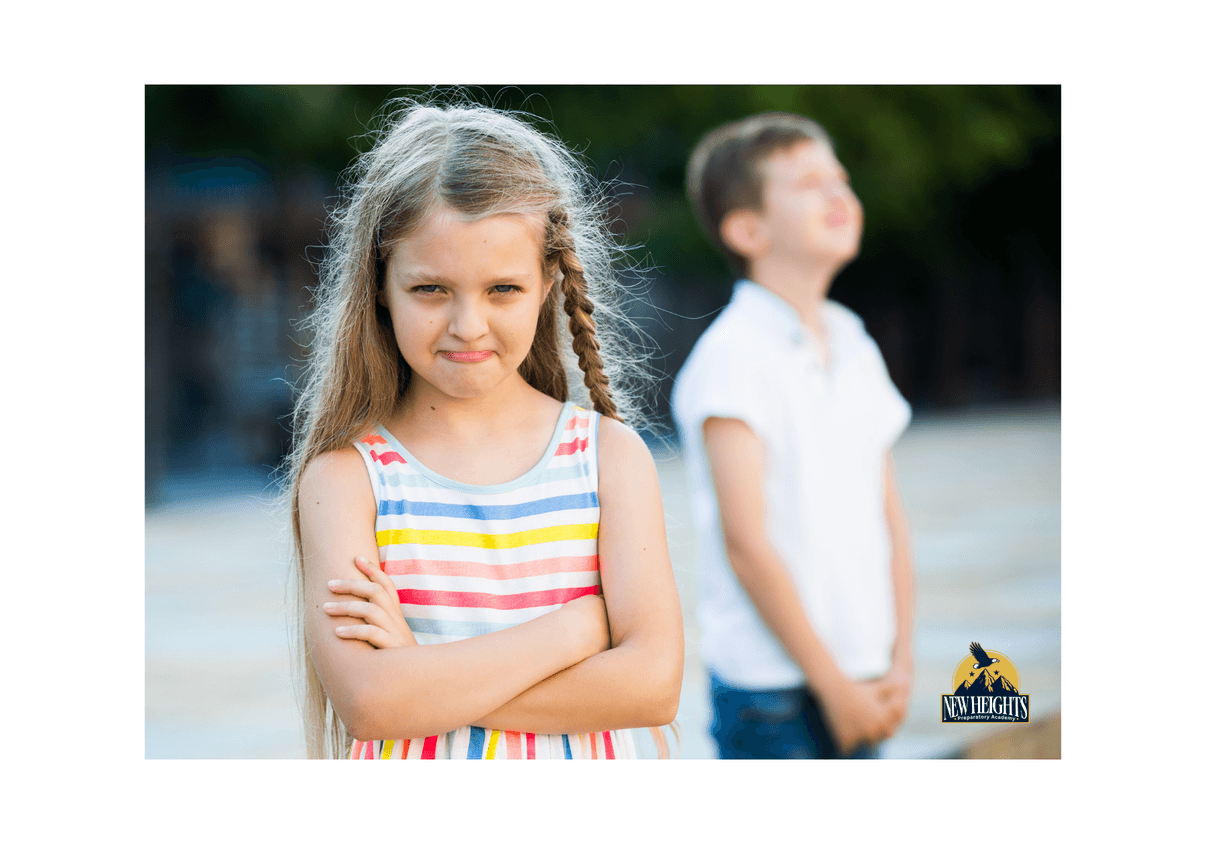
Apologizing is more than saying “I’m sorry.” It’s a life skill that helps children take responsibility, repair relationships, and grow in character. Learning how to apologize well teaches children empathy, humility, and accountability—skills they will carry with them for life.
But like any skill, apologizing has to be taught, modeled, and practiced.
Why Apologizing Matters
When children learn how to apologize, they learn how to:
- Take responsibility for their actions
- Understand how their behavior affects others
- Repair relationships after conflict
- Build trust with peers and adults
Go Beyond “Say Sorry”
It’s common to prompt children to “say sorry,” but without understanding, those words can feel empty.
A meaningful apology includes:
- 1Acknowledging what happened
- 2Taking responsibility
- 3Showing empathy
- 4Making an effort to do better
Teach the Steps of a Real Apology
You can teach children a simple structure:
- “I’m sorry for ___.”
- “It was wrong because ___.”
- “Are you okay?”
- “Next time, I will ___.”
Model Apologies as Adults
Children learn best by watching. When adults apologize sincerely, children see what it looks like in real life.
Say things like:
- “I’m sorry I raised my voice. I should have spoken calmly.”
- “I made a mistake, and I’m working on it.”
Teach Empathy First
A meaningful apology begins with understanding how someone else feels. Help children recognize emotions by asking:
- “How do you think they felt?”
- “What would you feel in that situation?”
Allow Time, Not Pressure
Sometimes children are not ready to apologize immediately. They may still feel upset, embarrassed, or defensive.
Give them space to calm down first. Once they are regulated, they are more likely to offer a sincere apology rather than a forced one.
Focus on Growth, Not Shame
The goal is not to make children feel bad—it’s to help them grow.
Instead of saying: “That was wrong. Say sorry.” Try:
- “Let’s fix this together.”
- “What can we do to make it right?”
Building Lifelong Skills
When children learn how to apologize well, they develop stronger relationships, better communication skills, and deeper emotional awareness.
Apologizing teaches children that mistakes don’t define them—but how they respond to those mistakes matters.
And that lesson will serve them for life.
WE RESPECT. WE LEARN. WE SUCCEED.
This belief guides everything we do at New Heights Preparatory Academy — from instruction and intervention to leadership development and school culture.
Related Educational Insights

Helping Kids Stay Focused in a Distracted World
Practical ways to help children build focus, reduce distractions, and thrive in today’s fast-paced world.
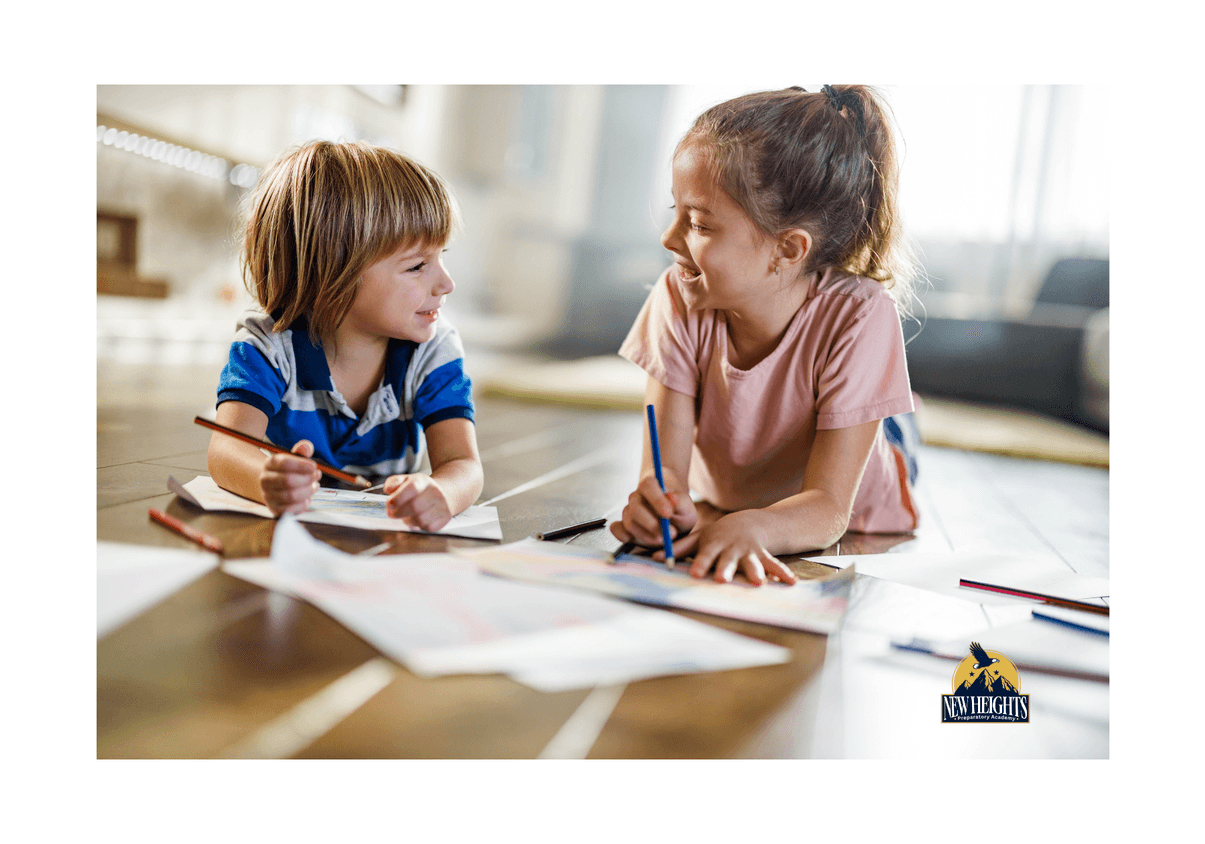
How to Teach Kids to Express Their Feelings With Words
Helping children build the words they need to express their feelings with confidence and clarity.

What to Do When Your Child Shuts Down Emotionally
Understanding emotional shutdown in children and how to respond with patience, safety, and support.
Experience our Christ-centered community in person
Come visit our campus in Orlando, meet our caring educators, and see how we help every student rise to their highest potential.